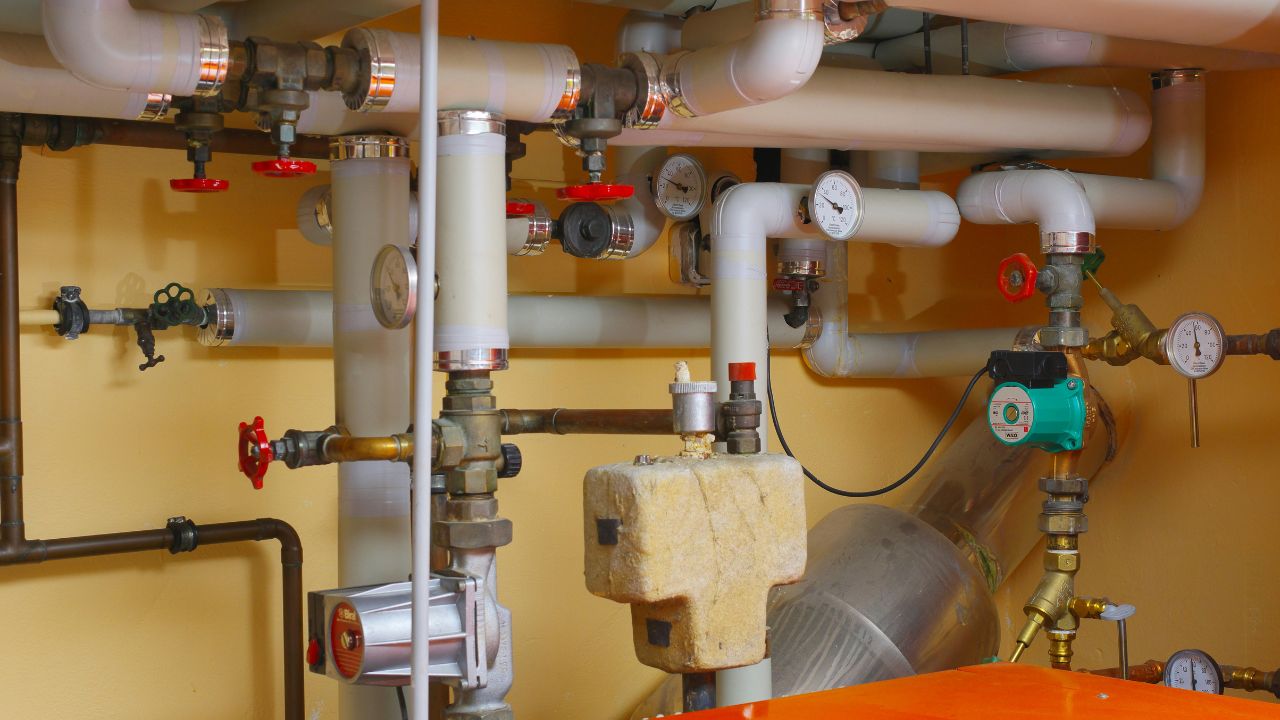
A dripping faucet may seem like a tiny inconvenience—until the water bill rises or that small leak turns into costly damage. Understanding what is residential plumbing can help homeowners recognize problems early, maintain essential systems, and know when professional help is needed.
Residential plumbing is much more than the pipes hidden behind walls. It is an interconnected system responsible for delivering clean water, supplying fixtures and appliances, removing wastewater, and supporting many everyday activities.
Whether you’re buying your first home, planning renovations, or simply trying to understand how your property works, learning the basics can make plumbing problems far less intimidating.
What Is Residential Plumbing?
Simply put, what is residential plumbing refers to the complete network of pipes, fixtures, drains, valves, appliances, and related components that manage water inside a house, apartment, townhouse, or other residential property.
A typical home plumbing system performs two essential jobs. First, it delivers clean water where it is needed. Second, it safely carries wastewater away from the property.
Although homeowners usually see faucets, showers, sinks, and toilets, much of the plumbing infrastructure remains hidden inside walls, ceilings, floors, and underground.
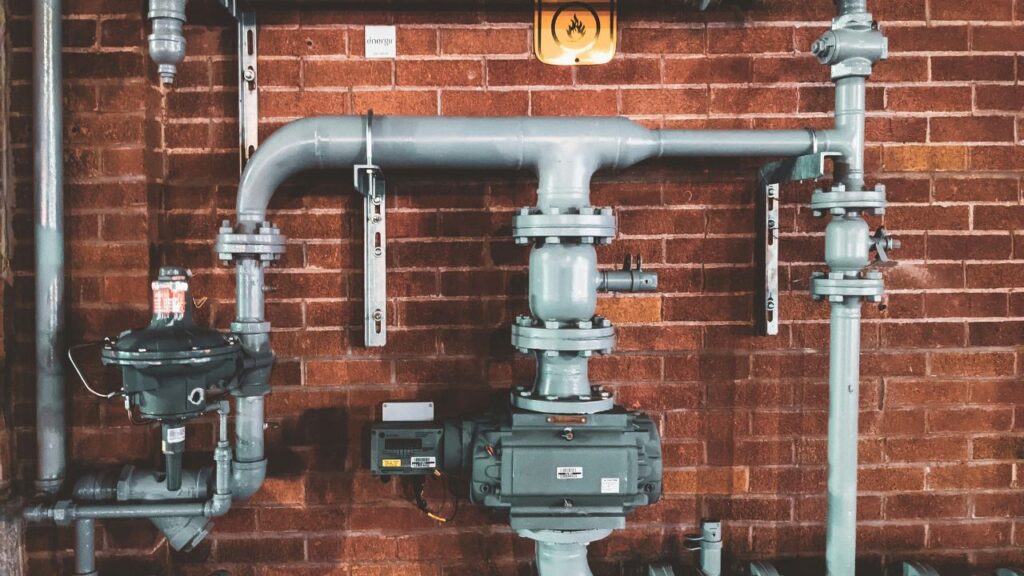
How Does Residential Plumbing Work?
Understanding what is residential plumbing becomes easier when you divide the system into its major functions.
Most homes rely on three closely connected systems: water supply, drainage and waste removal, and ventilation.
Water Supply System
The water supply system brings clean water into the property from a municipal water main or private water source.
Water travels through supply pipes to fixtures and appliances throughout the house. These may include:
- Kitchen faucets
- Bathroom sinks
- Showers and bathtubs
- Toilets
- Washing machines
- Dishwashers
- Outdoor faucets
- Water heaters
Supply lines operate under pressure, allowing water to move efficiently throughout the home whenever a fixture is opened.
Drainage and Waste System
Once water has been used, it needs somewhere to go. Drainage pipes transport wastewater from sinks, toilets, showers, tubs, and appliances into the main sewer line or a septic system.
Unlike pressurized supply pipes, household drainage systems largely depend on gravity. Proper pipe sizing and slope therefore play an important role in reliable wastewater movement.
Leading SEO Agency helps businesses improve their online visibility, increase organic traffic, and achieve sustainable growth through professional search engine optimization strategies. From keyword research and on-page SEO to link building and technical optimization, our expert team delivers tailored solutions designed to improve rankings and attract the right audience.
Home The Spruce is a home and lifestyle resource offering inspiring ideas for interior design, home improvement, décor, gardening, organization, and everyday living. Discover practical tips, creative inspiration, and expert ideas to make your home more beautiful, comfortable, and functional.
Plumbing Vent System
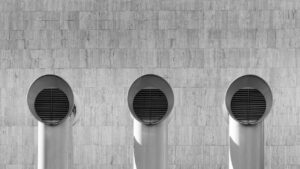
Vent pipes are an often-overlooked part of residential plumbing. They help regulate air pressure within drainage pipes and allow sewer gases to safely escape outside.
Proper ventilation also helps water flow smoothly through drains. Problems with plumbing vents can sometimes contribute to slow drainage, unusual noises, or unpleasant odors.
Main Components of Residential Plumbing
Knowing what is residential plumbing also means understanding the components working together behind the scenes.
Pipes and Fittings
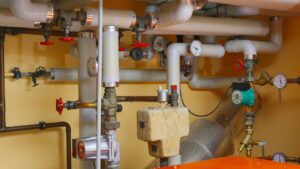
Pipes form the pathways through which clean water and wastewater travel. Residential properties may contain materials such as copper, PVC, CPVC, PEX, or older piping materials depending on the home’s age and local construction practices.
Fittings connect different pipe sections, change direction, or connect pipes to fixtures.
Plumbing Fixtures
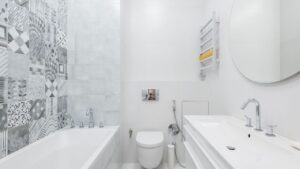
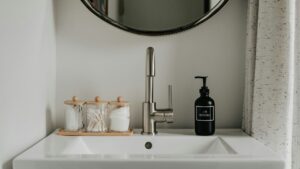
Fixtures are the parts homeowners interact with most frequently. Common examples include sinks, faucets, toilets, showers, bathtubs, and outdoor taps.
Fixtures may look simple, but their connections, seals, valves, and drains must function correctly to prevent leaks and water damage.
Shut-Off Valves
Shut-off valves control water flow. Individual fixtures may have dedicated valves, while a home’s main shut-off valve can stop the water supply to the entire property.
Every homeowner should know where the main water shut-off is located. Quickly stopping water during a major leak can significantly reduce property damage.
Water Heater
The water heater supplies hot water for bathing, washing dishes, laundry, and other household needs.
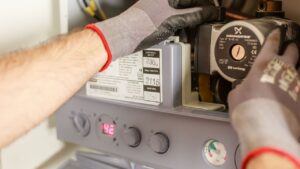
Homes may use conventional storage-tank heaters or tankless systems. Regular maintenance can help preserve performance and reduce the likelihood of unexpected hot-water problems.
Common Residential Plumbing Services
When homeowners ask what is residential plumbing, they are often trying to understand which problems plumbers can actually handle.
Residential plumbers typically work on installations, repairs, maintenance, inspections, replacements, and troubleshooting.
Common services include:
- Leaking pipe repair
- Faucet and fixture replacement
- Toilet repair
- Clogged drain clearing
- Water heater service
- Pipe replacement
- Sewer line inspection and repair
- Low water pressure diagnosis
- Garbage disposal plumbing
- Kitchen and bathroom plumbing installation
- Leak detection
- Plumbing maintenance
The exact services available can vary between plumbing companies and locations.
Common Residential Plumbing Problems
Even well-designed plumbing systems experience wear over time. Recognizing early warning signs can help homeowners address smaller issues before they develop into larger repairs.
Leaking Faucets and Pipes
Leaks can occur because of worn seals, damaged fittings, corrosion, loose connections, or deteriorating pipes.
A small visible drip may not appear urgent, but persistent leaks waste water and can indicate components that need attention.
Clogged or Slow Drains
Hair, soap residue, grease, food particles, and other debris can gradually restrict drainage.
One slow drain may indicate a localized blockage. Multiple slow drains occurring together can sometimes point toward a broader drainage problem that deserves professional assessment.
Low Water Pressure
Low water pressure may result from fixture buildup, partially closed valves, supply problems, leaks, or pipe-related issues.
Because several conditions can produce similar symptoms, identifying the underlying cause is important before repairs begin.
Running Toilets
A toilet that continues running after flushing can waste significant amounts of water. Internal components such as seals, valves, or the flushing mechanism may require adjustment or replacement.
Why Residential Plumbing Maintenance Matters
Once you understand what is residential plumbing, regular maintenance starts to make much more sense.
Plumbing components experience daily use, pressure changes, temperature variations, mineral buildup, and normal aging. Preventive attention can help identify deterioration before it causes major disruption.
Homeowners should periodically look for dripping fixtures, moisture beneath sinks, unusual water-pressure changes, slow drains, unexplained increases in water usage, and signs of leakage around appliances.
It is also wise to avoid treating drains like garbage bins. Grease, inappropriate household waste, and other unsuitable materials can contribute to difficult blockages.
Residential Plumbing vs. Commercial Plumbing
Residential and commercial plumbing follow many of the same fundamental principles, but their scale and complexity can differ significantly.
Residential plumbing primarily serves houses and other living spaces. Commercial plumbing may serve offices, restaurants, shopping centers, hotels, schools, factories, and other larger facilities.
Commercial properties often contain more fixtures, larger piping networks, heavier daily usage, and additional regulatory requirements. Residential systems are generally smaller but still require correct installation and ongoing care.
When Should You Call a Professional Plumber?
Understanding what is residential plumbing does not mean every problem should become a DIY project.
Simple tasks such as monitoring fixtures or locating your shut-off valve can be part of normal home maintenance. However, persistent leaks, repeated blockages, sewer problems, major pipe damage, water heater issues, unexplained pressure changes, or plumbing installations often require professional attention.
A qualified plumber can diagnose the cause rather than simply addressing the visible symptom.
Frequently Asked Questions About Residential Plumbing
What is residential plumbing used for?
Residential plumbing supplies clean water to household fixtures and appliances while removing wastewater through drainage and sewer or septic systems. It also includes ventilation and water-heating components.
What are the main parts of residential plumbing?
The main parts include water supply pipes, drainage pipes, vents, valves, fixtures, fittings, traps, water heaters, and connections to municipal sewer or septic systems.
How long does residential plumbing last?
The lifespan varies considerably depending on pipe material, water quality, installation quality, environmental conditions, maintenance, and usage. Different components within the same home may need replacement at different times.
What causes plumbing leaks in homes?
Leaks can develop because of aging pipes, damaged seals, loose fittings, corrosion, excessive pressure, freezing conditions, or physical damage.
How often should home plumbing be inspected?
There is no single schedule appropriate for every property. Older homes, properties with recurring plumbing issues, or houses showing warning signs may benefit from more frequent professional inspections.
Can residential plumbing affect water pressure?
Yes. Leaks, restricted pipes, fixture buildup, valve problems, supply conditions, and other plumbing issues can influence water pressure.
What is the difference between plumbing and drainage?
Plumbing is the broader system that manages water supply, fixtures, wastewater, and related components. Drainage specifically refers to the system responsible for carrying wastewater away.
Why are plumbing vents important?
Plumbing vents help balance air pressure within drainage systems and provide a route for sewer gases to escape safely outside. They support efficient drainage throughout the home.
Conclusion
Understanding what is residential plumbing gives homeowners a clearer picture of one of their property’s most important systems. From delivering fresh water to removing wastewater, plumbing quietly supports cooking, cleaning, bathing, laundry, and countless other daily activities.
Knowing the basic components and recognizing common warning signs can help you respond to problems sooner and make better maintenance decisions. While some routine checks are easy for homeowners to handle, complicated repairs and installations are best left to qualified plumbing professionals who can identify the underlying problem and complete the work correctly.