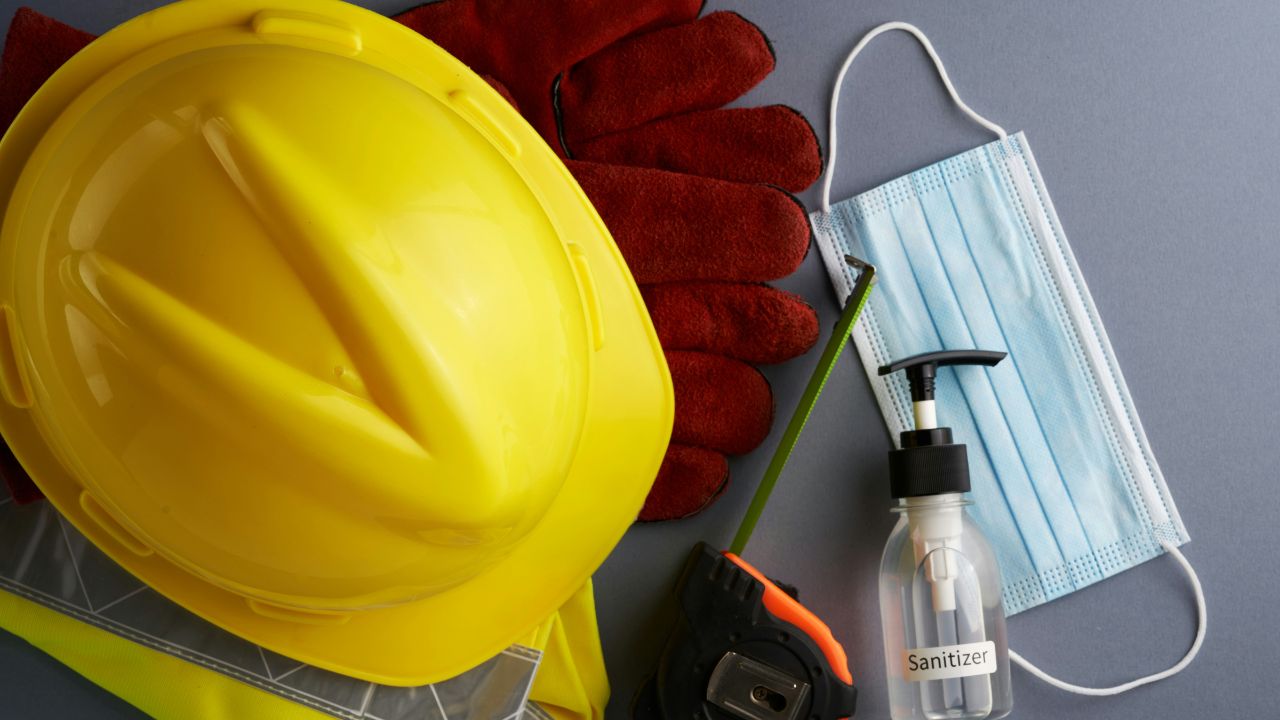
A hard hat, a pair of safety glasses, or the right gloves may look simple, but in a hazardous workplace, these items can make a significant difference. So, what is personal protective equipment? It refers to equipment and clothing designed to reduce a person’s exposure to workplace hazards that could cause injury or illness.
PPE is used in industries ranging from construction and manufacturing to laboratories and healthcare. While it cannot eliminate hazards by itself, properly selected and correctly used protective equipment creates an important barrier between a worker and potential harm.
Understanding the different types of PPE, when they are needed, and how they should be used is an essential part of maintaining a safer workplace.
What Is Personal Protective Equipment?
Personal protective equipment, commonly abbreviated as PPE, includes wearable equipment intended to minimize exposure to specific hazards. Depending on the work environment, this may include helmets, gloves, protective eyewear, safety footwear, hearing protection, respirators, or specialized clothing.
PPE is generally considered part of a broader workplace safety strategy. Employers should first identify hazards and, where possible, remove or control them through safer processes, engineering controls, or other measures. PPE provides an additional layer of protection when hazards remain.
The equipment required depends on the nature of the task and the risks involved. Someone working around flying particles may need eye protection, while a worker exposed to excessive noise may require appropriate hearing protection.
Why Is Personal Protective Equipment Important?
Workplaces can contain hazards that are not always obvious. Chemical splashes, airborne particles, falling objects, excessive noise, sharp materials, extreme temperatures, and moving equipment can all create risks.
PPE helps reduce exposure to these hazards. Its main purposes include:
- Protecting the head from certain impact hazards
- Shielding the eyes and face from particles or splashes
- Reducing exposure to harmful noise
- Protecting hands against task-specific hazards
- Helping protect feet from impact, puncture, or other hazards
- Providing respiratory protection where appropriate
- Protecting skin and clothing from specific workplace exposures
However, simply providing protective equipment is not enough. PPE needs to match the identified hazard, fit the wearer properly, remain in usable condition, and be worn correctly.
Main Types of Personal Protective Equipment
When people ask what is personal protective equipment?, it helps to understand that PPE is a broad category rather than one specific item. Different parts of the body require different forms of protection.
Head Protection
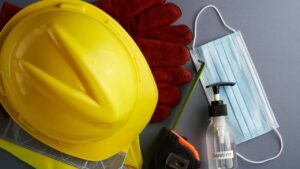
Safety helmets and hard hats are designed for situations where workers may be exposed to falling objects, impact hazards, or certain electrical risks, depending on the equipment’s rating and intended use.
Construction sites, industrial facilities, warehouses, and maintenance environments are common examples of workplaces where head protection may be required.
Eye and Face Protection
Safety glasses, goggles, and face shields can help protect against flying particles, dust, chemical splashes, sparks, and other task-specific hazards.
The correct choice depends on the exposure. Ordinary prescription glasses, for example, should not automatically be treated as a replacement for approved protective eyewear.
Hand Protection
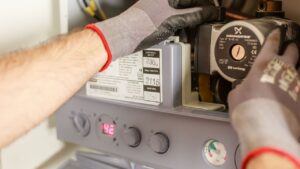
Hands are frequently exposed to cuts, abrasions, chemicals, heat, cold, and other hazards. Protective gloves should therefore be selected according to the particular task.
One type of glove is not suitable for every situation. Chemical handling, construction work, electrical tasks, and heat-related work may each require different materials and protection levels.
Foot and Leg Protection
Safety footwear may protect workers from falling or rolling objects, sharp materials, slippery conditions, electrical hazards, or other workplace risks.
Features can include reinforced toe protection, puncture-resistant components, slip-resistant soles, or other specialized characteristics.
Hearing Protection
Repeated exposure to excessive workplace noise can damage hearing over time. Earplugs and earmuffs are common forms of hearing protection.
Choosing suitable hearing protection requires considering workplace noise levels, the task being performed, proper fit, and the amount of protection needed.
Respiratory Protection
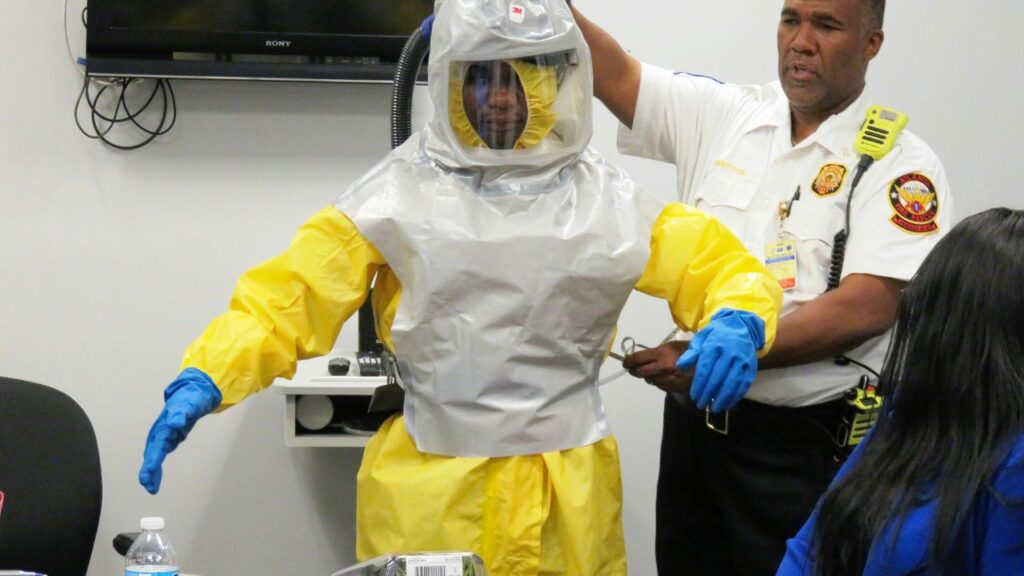
Respiratory protective equipment is designed to protect against certain airborne hazards when appropriate controls cannot adequately address the exposure.
Respirators vary considerably in purpose and capability. Proper selection, fit, use, maintenance, and applicable workplace procedures are particularly important for respiratory protection.
Protective Clothing
Protective clothing can include coveralls, aprons, high-visibility garments, chemical-resistant clothing, and other specialized garments.
The appropriate clothing depends on the hazard rather than appearance alone. High-visibility clothing, for example, helps make workers easier to see but does not provide the same protection as clothing designed for chemical or thermal hazards.
How to Choose the Right PPE
Choosing PPE should begin with a workplace hazard assessment. Instead of selecting equipment simply because it appears protective, identify what workers could actually be exposed to.
Consider:
- The type and severity of the hazard
- Which body areas could be exposed
- How long exposure may last
- Whether the equipment fits correctly
- Whether different PPE items can be worn together safely
- Relevant safety standards and manufacturer instructions
- Cleaning, storage, inspection, and replacement requirements
PPE should also be comfortable enough to wear properly during the required task. Poorly fitting equipment may interfere with movement, vision, communication, or the effectiveness of other protective equipment.
Proper Use and Maintenance of PPE
Knowing what is personal protective equipment? is only the beginning. Workers also need to understand how to wear, inspect, remove, maintain, and store their equipment according to workplace procedures and manufacturer guidance.
Before use, PPE should be checked for visible damage, excessive wear, contamination, or missing components. Damaged equipment should not simply be returned to service without determining whether it remains safe and suitable.
Reusable PPE may require regular cleaning and proper storage. Some items also have limited service lives or components that require scheduled replacement.
Training is equally important. Workers should understand why PPE is necessary, what its limitations are, how to use it correctly, and when it needs attention or replacement.
Common PPE Mistakes to Avoid
Even suitable equipment can provide inadequate protection when used incorrectly. Common problems include wearing the wrong PPE for the hazard, using damaged equipment, selecting an incorrect size, modifying protective equipment, or failing to wear it throughout the exposure period.
Another mistake is treating PPE as the only safety measure. Effective workplace safety usually involves identifying hazards and applying appropriate controls before relying on personal protection.
Frequently Asked Questions
What does PPE stand for?
PPE stands for personal protective equipment. It describes protective equipment or clothing worn to reduce exposure to specific workplace health and safety hazards.
What is personal protective equipment used for?
PPE is used to reduce a worker’s exposure to hazards that could cause injury or illness. Examples include protection against impacts, particles, excessive noise, certain chemicals, and airborne hazards.
What are common examples of PPE?
Common examples include hard hats, safety glasses, goggles, gloves, safety footwear, hearing protection, respirators, face shields, and protective clothing.
Is PPE required in every workplace?
Not every worker needs the same PPE. Requirements depend on the hazards associated with the workplace and individual tasks. A hazard assessment helps determine which protective measures are necessary.
Can PPE completely eliminate workplace risks?
No. PPE reduces exposure but does not normally remove the hazard itself. It should be used as part of a broader approach to workplace risk control.
Who is responsible for checking PPE?
Responsibilities vary according to workplace rules and applicable regulations. Workers should inspect equipment before use, while employers or designated safety personnel may have additional inspection, maintenance, training, and recordkeeping responsibilities.
How often should PPE be replaced?
There is no universal replacement schedule for every item. Replacement depends on the type of equipment, manufacturer guidance, condition, exposure, usage, applicable standards, and workplace procedures.
Why is PPE training important?
Training helps workers understand which equipment to use, how to wear it correctly, its limitations, how to inspect it, and when it should be cleaned, maintained, or replaced.
Conclusion
Personal protective equipment is a practical and important part of workplace safety, but its effectiveness depends on choosing the right equipment for the actual hazard and using it correctly.
Understanding what is personal protective equipment? means looking beyond helmets and gloves. PPE includes many forms of specialized protection for the head, eyes, face, hearing, respiratory system, hands, body, and feet. When combined with hazard assessment, appropriate workplace controls, proper training, regular inspection, and responsible maintenance, PPE can play a valuable role in reducing workplace exposure and helping people perform their jobs more safely.