Introduction
Knowing what equipment is required to be on a trailer helps owners avoid unsafe towing situations, equipment failures, and possible compliance issues. A trailer is not just a box on wheels; it needs specific safety components to connect properly with the towing vehicle and remain stable on the road.
The exact requirements depend on factors such as trailer type, weight, location, and intended use. A small utility trailer may need basic safety equipment, while heavier trailers often require additional braking systems, lighting, and load-control equipment.
This guide explains the essential equipment most trailers need, the purpose of each item, and important differences between common trailer requirements in the UK and USA.
Essential Equipment Every Trailer Should Have
A properly equipped trailer should include safety equipment that helps with towing, visibility, load security, and emergency situations.
The most important trailer equipment includes:
| Equipment | Purpose |
|---|---|
| Coupler or hitch connection | Attaches the trailer securely to the towing vehicle |
| Safety chains or cables | Provides backup connection if the hitch fails |
| Trailer lights | Makes the trailer visible to other road users |
| Reflectors | Improves visibility, especially at night |
| Tires and wheels | Support the trailer load safely |
| Load securing equipment | Prevents cargo movement during transport |
| Braking system (when required) | Helps stop heavier trailers safely |
| Jack and wheel support equipment | Helps with attachment and maintenance |
The correct equipment depends on the trailer’s size, weight rating, and local regulations.
Hitch and Coupling Equipment
Trailer Coupler
The coupler is the component that connects the trailer to the towing vehicle’s hitch ball or towing system.
A suitable coupler must:
- Match the hitch size correctly
- Lock securely into place
- Support the trailer’s rated weight
- Remain properly maintained
A poorly fitted coupler can create a dangerous towing situation because the trailer may separate from the vehicle.
Safety Chains or Safety Cables
Safety chains are one of the most important backup safety components on a trailer.
They are designed to:
- Keep the trailer attached temporarily if the coupler disconnects
- Reduce the risk of a runaway trailer
- Provide additional security during towing
Chains should be strong enough for the trailer weight and properly attached to the towing vehicle’s connection points.
Trailer Lighting and Visibility Equipment
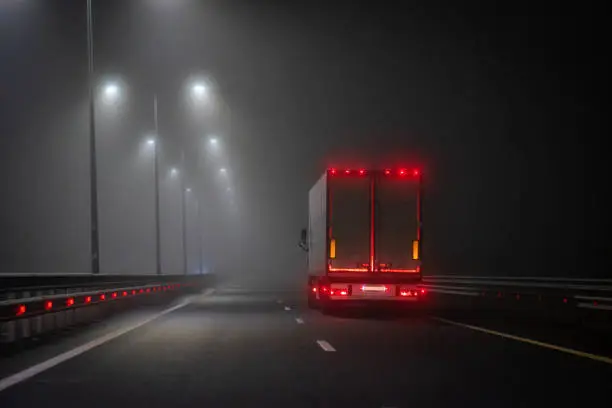
A trailer must be visible to other drivers, especially during nighttime driving, poor weather, or heavy traffic.
Common lighting equipment includes:
Tail Lights
Tail lights show the trailer’s position from behind and usually include:
- Running lights
- Brake lights
- Turn signals
Reflectors
Reflectors improve visibility when another vehicle’s headlights shine on the trailer.
Depending on trailer design and regulations, trailers may require:
- Side reflectors
- Rear reflectors
- Reflective markings
License Plate Lighting
Many road systems require trailers to have lighting that makes the registration plate visible at night.
Trailer Braking Equipment
Not every trailer requires brakes. Requirements usually depend on trailer weight and regional laws.
Electric Trailer Brakes
Electric brakes use a brake controller connected to the towing vehicle. When the vehicle brakes, the trailer brakes activate to help slow the combined load.
They are commonly used on:
- Heavy utility trailers
- Boat trailers
- Car haulers
- Larger camping trailers
Surge Brakes
Surge brakes operate through the trailer’s movement. When the towing vehicle slows down, the trailer pushes against the hitch mechanism, activating the brakes.
They are commonly found on:
- Boat trailers
- Some rental trailers
Proper braking equipment improves control and reduces stress on the towing vehicle’s braking system.
Tires, Wheels, and Suspension Equipment
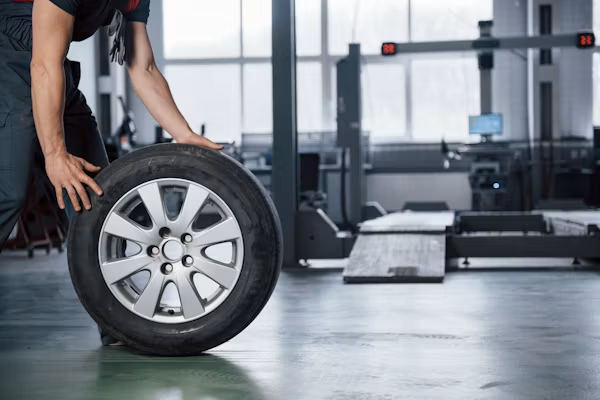
Trailer tires are designed differently from many passenger vehicle tires. They must handle the weight placed on the trailer and maintain stability.
Important tire considerations include:
- Correct tire size
- Proper load rating
- Appropriate inflation pressure
- Regular inspection for damage
A trailer should also have a suspension system suitable for its expected load.
Overloaded or poorly maintained tires are a common cause of trailer-related breakdowns.
Equipment for Securing Trailer Loads
Cargo must be secured properly before towing.
Common load-control equipment includes:
Tie-Down Straps
Used for securing:
- Furniture
- Machinery
- Vehicles
- Outdoor equipment
Ratchet Straps
These provide stronger tension control compared with basic straps and are often used for heavier loads.
Tarps and Covers
Useful for protecting loose materials from:
- Weather
- Road debris
- Falling out during transport
A trailer should never be loaded beyond its rated capacity or arranged in a way that affects balance.
Emergency Equipment to Carry on a Trailer
Even well-maintained trailers can experience problems. Carrying emergency equipment can help manage unexpected situations.
Useful items include:
- Spare tire
- Tire-changing tools
- Wheel chocks
- Flashlight
- Reflective warning devices
- Basic repair tools
- Replacement trailer light bulbs
- Electrical connectors or adapters
A spare tire is especially valuable because trailer tires may experience different stress levels compared with vehicle tires.
Additional Equipment for Specific Trailer Types
Different trailers may require specialized equipment based on their purpose.
Boat Trailers
Common additional equipment:
- Boat support rollers or bunks
- Winch system
- Tie-down straps
- Water-resistant lighting
- Safety chains
Motorcycle Trailers
Often require:
- Wheel chocks
- Strong tie-down points
- Loading ramps
- Secure restraint straps
Camping and Travel Trailers
May include:
- Stabilizer jacks
- Leveling equipment
- Electrical connections
- Water system connections
- Propane safety equipment
Utility and Cargo Trailers
Often need:
- Strong sidewalls or rails
- Cargo tie-down points
- Weather protection
- Loading ramps
UK and USA Trailer Equipment Differences
Trailer requirements vary depending on location.
United Kingdom
In the UK, trailer requirements can depend on:
- Trailer weight
- Dimensions
- Braking requirements
- Lighting rules
- Towing vehicle specifications
Owners should check guidance from the Driver and Vehicle Standards Agency (DVSA) and relevant government transport rules before towing.
United States
In the USA, trailer regulations are generally controlled at the state level. Requirements may differ regarding:
- Trailer brakes
- Lighting
- Registration
- Safety chains
- Weight limits
Owners should check their state’s Department of Motor Vehicles (DMV) requirements.
Common Trailer Equipment Mistakes to Avoid
Many towing problems happen because basic equipment is ignored.
Avoid these mistakes:
Using the Wrong Hitch Size
A mismatched hitch connection can cause instability or separation.
Overloading the Trailer
Every trailer has a maximum weight rating. Exceeding it can damage:
- Tires
- Suspension
- Axles
- Braking systems
Ignoring Tire Condition
Old, damaged, or underinflated tires increase the risk of failure.
Forgetting Safety Connections
Never tow without properly attached safety chains or cables.
Poor Load Distribution
Heavy items should usually be positioned to maintain proper trailer balance.
How to Check Your Trailer Before Towing
A simple pre-towing inspection can prevent many problems.
Before every trip, check:
- Hitch connection is locked correctly
- Safety chains are attached
- Trailer lights work properly
- Tires are inflated and undamaged
- Cargo is secured
- Brakes work if installed
- Wheel bearings and suspension appear normal
- Registration and required documents are available
A few minutes of inspection can prevent serious towing problems.
FAQ
What is the most important safety equipment on a trailer?
The most important trailer safety equipment includes a secure hitch connection, safety chains, working lights, properly rated tires, and suitable braking equipment when required.
Does every trailer need brakes?
No. Trailer brake requirements depend on factors such as trailer weight, design, and local regulations. Heavier trailers commonly require braking systems.
Do trailers need safety chains?
Yes, safety chains or approved safety cables are generally required because they provide a backup connection if the main hitch connection fails.
Can I tow a trailer without trailer lights?
A trailer normally requires working lights so other drivers can see braking, turning, and the trailer’s position on the road. Exact requirements depend on local laws.
What should I keep as emergency equipment for a trailer?
Useful emergency items include a spare tire, tire tools, wheel chocks, reflective warnings, a flashlight, and basic repair supplies.
Conclusion
Understanding what equipment is required to be on a trailer is essential for safe and responsible towing. While requirements vary by trailer type and location, every trailer should have reliable connection equipment, visibility systems, suitable tires, secure load control, and any braking equipment required for its weight.
Before towing, always inspect the trailer and confirm that its equipment meets local regulations. Proper preparation helps protect the driver, passengers, cargo, and other road users.