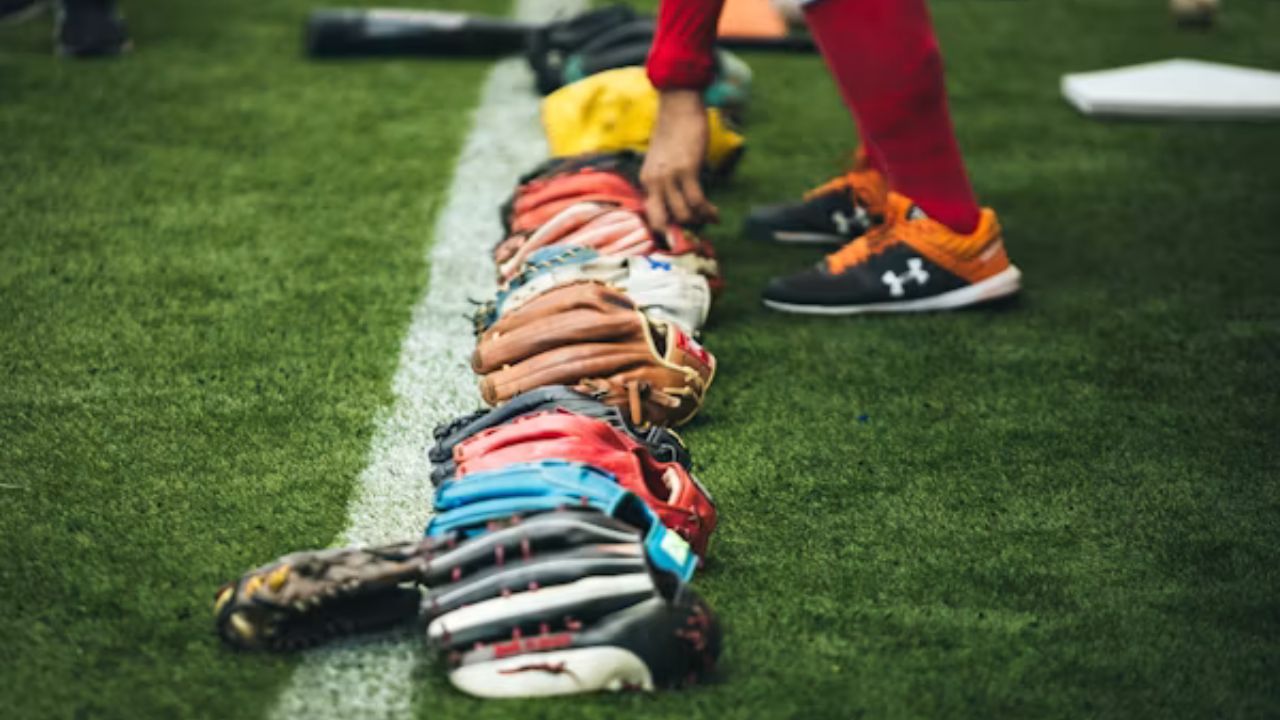
A baseball glove that no longer fits your child may still have years of play left in it. The same is true of the soccer cleats in the hall closet, the tennis racket behind the garage shelves, or the set of dumbbells collecting dust under a bed.
The challenge is not deciding that the equipment should go. It is finding a recipient that genuinely needs it, can safely use it, and has a practical way to accept it.
If you are wondering where to donate sports equipment, your best choices usually include specialized sporting-goods charities, neighborhood recreation programs, schools, youth clubs, adaptive-sports organizations, thrift stores, bicycle cooperatives, and community mutual-aid groups. The right destination depends on the type, condition, age, and quantity of your equipment.
This guide explains how to choose a responsible recipient, prepare equipment for reuse, handle helmets and other safety-sensitive items, locate nearby drop-off points, and document a charitable gift. It also covers an often-missed point: the organization with the most recognizable name is not always the place where your particular equipment will do the most good.
Quick Answer: Where Can You Donate Sports Equipment?
You can usually donate usable sports equipment to:
- Specialized sports-equipment reuse charities
- Local schools and physical education departments
- Parks and recreation programs
- YMCA or Boys & Girls Clubs branches
- Youth sports leagues
- Community centers
- Adaptive-sports organizations
- Refugee and immigrant support programs
- Bicycle cooperatives
- University recreation departments
- Camps and after-school programs
- Thrift stores that accept sporting goods
- Local Buy Nothing or mutual-aid groups
- Veterans’ recreation programs
- Animal shelters that can use suitable balls or agility equipment
Start by contacting the recipient before traveling. Donation policies change with season, storage capacity, insurance requirements, and current program needs.
That phone call matters. A community center may desperately need basketballs while having no room for a treadmill. A youth soccer club may accept cleats but reject used shin guards. A bicycle cooperative may want repairable bicycles and loose components, while an ordinary thrift store may only accept complete, immediately sellable bikes.
People searching where can I donate sports equipment often want a single nationwide answer. In practice, the best route is a short matching process: identify what you have, assess its condition, find organizations serving that sport, and confirm their current acceptance policy.
The Best Places to Donate Used Sports Equipment
1. Leveling the Playing Field
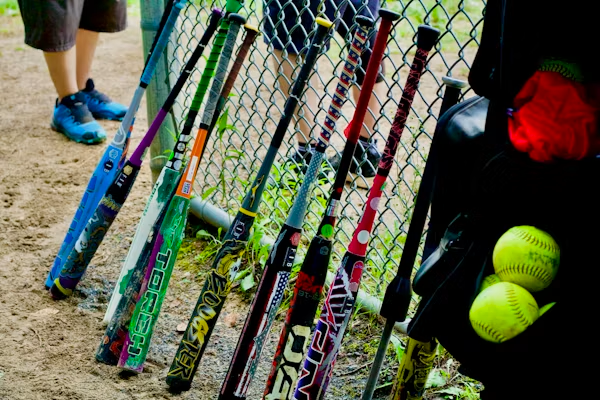
Leveling the Playing Field is one of the strongest options for reusable sporting goods in supported U.S. regions. The organization collects new and used equipment, then distributes it to schools, recreation centers, leagues, and nonprofit youth programs.
Its model works much like an equipment bank. Gear is collected, inspected, organized, and made available to qualified programs that might otherwise spend limited funds on basic sporting supplies.
The organization reports that it has distributed more than $25 million in equipment and assisted over 3,200 programs. Those figures show the practical value of organized reuse: programs can redirect money toward coaching, transportation, scholarships, field access, or lower participation fees. Donors can search for bins and collection options through the Leveling the Playing Field website.
This is a particularly relevant option when you want to donate used sports equipment such as balls, baseball gloves, lacrosse sticks, cleats, hockey items, tennis rackets, golf clubs, protective pads, and team gear. Acceptance still depends on condition and local capacity, so check the current list before dropping anything off.
2. Local Youth Leagues
Independent baseball, football, softball, cricket, basketball, hockey, and soccer leagues often operate on limited budgets. Some maintain loan closets so children can borrow equipment for a season instead of buying everything upfront.
Call or email the league administrator rather than arriving at a practice. Ask three direct questions:
- Do you currently accept individual equipment donations?
- Which sizes and items are needed?
- Does the league issue a donation receipt?
A league may be more interested in five matching practice balls than one premium item it cannot easily assign. Coaches may also need cones, pinnies, ball bags, pumps, batting tees, portable nets, clipboards, first-aid bags, and storage bins.
A direct youth sports equipment donation can have an immediate effect because it stays in the community and may be used during the next practice. The drawback is that small leagues often have little storage and may not have staff available to inspect large, mixed donations.
3. Public Schools and Physical Education Departments
Public schools can be excellent recipients, especially when equipment is durable, easy to sanitize, and useful across several age groups.
Physical education teachers commonly use:
- Basketballs, soccer balls and playground balls
- Jump ropes
- Plastic bats
- Cones and field markers
- Tennis or badminton rackets
- Agility ladders
- Portable goals
- Ball pumps
- Storage carts and mesh bags
- Fitness mats in hygienic condition
Contact the principal’s office, athletic director, coach, or district donation coordinator first. Some districts require board approval, inventory records, or an inspection before donated property can enter a school.
Do not assume that a teacher can privately accept an expensive machine or large set of weights. Liability, installation, maintenance, and floor-loading requirements may prevent a school from taking equipment even when the staff would like to use it.
4. Parks, Recreation Departments and Community Centers
Municipal recreation programs serve a broad mix of residents, including children, teenagers, adults, and older people. They may run seasonal leagues, open gyms, summer camps, senior fitness sessions, and low-cost after-school activities.
For a local sports equipment donation, ask the recreation department whether it maintains an equipment lending library. These libraries let residents borrow basketballs, tennis rackets, pickleball paddles, skates, or outdoor games, extending the value of one donated item across many users.
Community centers may also need equipment that organized teams overlook: yoga blocks, resistance bands, foam rollers, light hand weights, table-tennis paddles, or recreational games. Used exercise mats should only be offered if they can be thoroughly cleaned and have no cracking, peeling, odor, or embedded moisture.
5. YMCA and Boys & Girls Clubs
Local YMCA associations and Boys & Girls Clubs frequently provide youth fitness, swimming, sports instruction, summer camps, and after-school programming. However, acceptance decisions are generally made at the branch level.
Ask for the program director or facilities manager. Describe the items, quantities, sizes, condition, and approximate age. Photos can save both parties time, especially when you have a home gym, goal, table-tennis table, or several boxes of team equipment.
A branch that cannot use your gear may know a partner school, camp, or neighborhood club that can. Local program staff often understand community needs better than a generic online directory.
6. Adaptive-Sports Organizations
Adaptive-sports programs help people with physical, sensory, or intellectual disabilities participate in recreation and competition. Some accept specialized cycles, sports wheelchairs, sled-hockey gear, handcycles, adaptive paddling items, accessible fitness equipment, or standard sports supplies used in inclusive programs.
Specialized adaptive equipment should not be left at a general donation bin. Its fit, mechanical condition, compatibility, and maintenance history may affect safety. Contact the intended program and provide:
- Manufacturer and model
- Approximate purchase date
- Dimensions and adjustability
- Repair or modification history
- Clear photographs
- Known missing components
- Manuals and spare parts
This category deserves extra care because a specialized item may be valuable yet unsuitable for the first organization you contact. National governing bodies, rehabilitation hospitals, Paralympic clubs, and local adaptive recreation programs may help identify an appropriate recipient.
7. Sport-Specific Nonprofits
Sport-specific groups can often place equipment more effectively than general charities.
Examples include baseball and softball equipment banks, soccer redistribution projects, golf access programs, hockey associations, running-shoe collections, and tennis foundations. These organizations understand sizing, wear, safety standards, and which pieces form a usable kit.
Pitch In For Baseball & Softball, for example, focuses on baseball and softball equipment for communities with limited access. Before shipping anything, verify its current wish list and delivery instructions through the organization’s official channels.
This targeted approach is useful for a complete catcher’s set, a set of youth uniforms, goalie gear, team jerseys, or multiple matching items. A specialized charity may be able to turn the collection into a functional team kit instead of separating it across thrift-store locations.
8. Bicycle Cooperatives and Bike-Reuse Programs
Bicycles occupy a special category. They are sporting equipment, transportation, mechanical devices, and potential safety risks at the same time.
Local bike cooperatives may accept:
- Rideable bicycles
- Repairable bicycles
- Frames
- Wheels
- Components
- Locks
- Pumps
- Repair stands
- Mechanic tools
- New tubes and tires
- Children’s bikes
Programs such as Bikes for the World work with community partners and provide current collection information and drop-off locations on their official donation pages. Working Bikes similarly collects bicycles in Chicago and surrounding areas for repair and redistribution.
Disclose cracked frames, damaged forks, missing brakes, seized components, or serious rust. A skilled cooperative may still want a non-rideable bicycle for parts, but it needs an honest description.
9. Thrift Stores
Goodwill, The Salvation Army, Savers, and independent charity shops may accept common sporting goods. Their local rules differ, especially for large exercise machines, helmets, weapons-related sporting items, recalled products, and equipment with electrical components.
Thrift stores are convenient when your priority is keeping serviceable goods in circulation. They may sell the items to fund broader employment or social-service programs rather than giving them directly to athletes.
That distinction is not necessarily negative. Still, donors who want gear placed directly with children or community teams may prefer dedicated sports equipment charities or local recreation programs.
Call the specific store before loading a treadmill, weight bench, home gym, kayak, bicycle, or set of skis into a vehicle. Floor space and handling capacity can determine acceptance more than the item’s condition.
10. Pickup Services Supporting Charities
Some donation services collect eligible sporting goods from homes and use the proceeds to support charitable programs. Pickup Please, a service supporting Vietnam Veterans of America programs, states that it can accept many portable sporting goods, including skis, snowboards, balls, baseball equipment, weights, and other items light enough for one person to carry. Availability depends on the service area and current rules; verify details on its sports-equipment donation page.
Pickup is helpful for several boxes of gear, but it is rarely suitable for commercial gym machines, damaged treadmills, very heavy weight sets, or oversized structures.
Ask what happens to donated goods. Some services distribute items, some sell them through thrift networks, and others contract with third-party collection companies. Knowing the path lets you choose a model that matches your intentions.
11. Good Sports—Important Distinction for Individual Donors
Good Sports is a major national nonprofit working to expand access to youth sports. It reports distributing more than $137 million in brand-new equipment since 2003 and reaching more than 11 million children across all 50 states and Puerto Rico. Those impact figures come from the Good Sports website.
However, Good Sports primarily works with brand-new equipment supplied through corporate and industry partners. Its model should not be confused with a neighborhood used-gear drop-off program.
An individual who admires the mission can support the organization financially or through its current campaigns. Someone trying to place a bag of used cleats should verify acceptance first or choose a dedicated reuse organization. This small distinction prevents a common donation mistake: mailing material to a nonprofit that lacks a consumer-used-equipment processing system.
12. Local Mutual-Aid and Buy Nothing Groups
A neighborhood gifting group can be the fastest way to place common equipment with a nearby family. This route works well for children’s cleats, inexpensive rackets, sports bags, balls, skates, gloves, and beginner fitness equipment.
Describe the condition accurately and include sizes. Avoid phrases such as “probably works” for safety-related or mechanical gear. If an item needs repair, state exactly what is wrong.
A person-to-person sports gear donation usually does not qualify for a charitable deduction because the recipient is an individual rather than a qualified organization. Its social value can still be substantial: a family may receive the exact item needed for a child to join a team that week.
How to Find a Sports Equipment Donation Near You
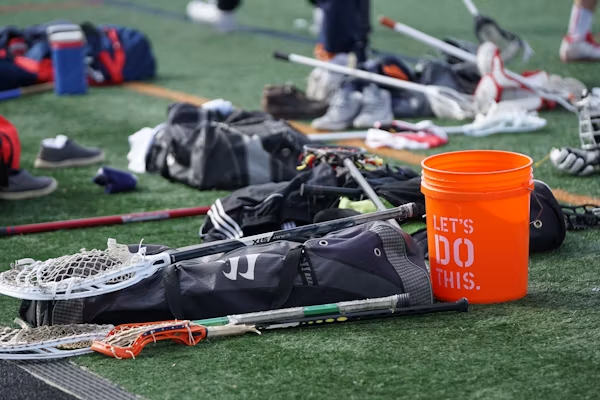
Typing sports equipment donation near me into Google or another search engine is a sensible start, but broad search results can be outdated or dominated by resale stores. A more focused search method produces better matches.
Try combinations such as:
- “[city] youth sports equipment bank”
- “[county] donate soccer equipment”
- “[city] bicycle cooperative donation”
- “[school district] athletic equipment donation”
- “[state] adaptive sports nonprofit”
- “[city] recreation equipment lending library”
- “[sport] charity equipment donation”
- “[ZIP code] donation pickup sporting goods”
Then check the organization’s official website, recent social posts, or current directory listing. Confirm the address and collection hours by phone or email.
Searching for sports equipment donation near me is especially useful for bulky goods because shipping can cost more than the equipment is worth. A local recipient also reduces handling, packaging, and transportation while making it easier for you to confirm that the item is actually wanted.
Match the Equipment to the Right Recipient
The strongest donation is not simply usable; it is useful to the recipient.
| Equipment type | Strong recipient options | Check before donating |
|---|---|---|
| Balls, cones and pinnies | Schools, camps, leagues, recreation centers | Air retention, cracks, cleanliness |
| Baseball or softball gear | Sport-specific charities, youth leagues | Glove condition, bat rules, helmet policy |
| Soccer cleats and shin guards | Youth clubs, reuse charities, mutual-aid groups | Size labels, studs, odor, broken plates |
| Tennis and pickleball gear | Schools, senior centers, parks programs | Frame cracks, grip condition |
| Hockey equipment | Hockey associations, equipment banks | Padding, mold, helmet certification |
| Bicycles | Bike cooperatives and bicycle charities | Frame, brakes, wheels, repair needs |
| Golf clubs | Youth golf programs, schools, thrift stores | Rust, shaft damage, matching sets |
| Fitness machines | Community centers, schools, resale charities | Working condition, manuals, transport |
| Weights and benches | Recreation programs, fire stations, thrift stores | Rust, stability, complete hardware |
| Adaptive equipment | Adaptive-sports programs | Fit, modifications, service history |
| Team uniforms | Leagues, camps, overseas programs | Cleanliness, quantity, logos, sizing |
| New footwear or apparel | Youth programs, shelters, school closets | Tags, sizes, season and local need |
Think in Complete Kits
A single cleat, one goalie glove, or a net without its frame may be difficult to use. Before donating, look for the companion pieces.
Tie shoes together. Put small components in labeled bags. Keep bolts with the equipment they belong to. Include chargers, keys, straps, pumps, needles, manuals, remote controls, and assembly instructions.
For team donations, sort jerseys and shorts by size. Count balls and test which ones hold air. Label boxes by sport rather than mixing baseball, soccer, and hockey gear.
This simple work increases the chance that your used sports equipment donation moves quickly from a warehouse to a playing field.
What Condition Should Donated Gear Be In?
Use the “next practice” test: could a coach safely hand this item to a participant at the next practice after ordinary cleaning or minor maintenance?
Good donation candidates are:
- Complete
- Clean
- Dry
- Free from mold
- Structurally sound
- Appropriate for the intended sport
- Within relevant safety standards
- Free from active recalls
- Clearly labeled by size
- Capable of normal use
Poor donation candidates include:
- Cracked bats or rackets
- Moldy pads or gloves
- Shoes with separating soles
- Frayed climbing equipment
- Severely rusted weights
- Unstable benches
- Broken electrical fitness machines
- Waterlogged balls
- Equipment missing critical fasteners
- Items with sharp edges
- Recalled products
Donating trash creates disposal costs for the organization. Staff and volunteers must inspect, store, and discard it—using money and time that could have supported programs.
Special Warning About Helmets and Protective Equipment
Helmets require more scrutiny than ordinary sporting goods. Their protective performance can be affected by impact history, age, heat exposure, cracks, chemical damage, missing padding, and outdated certification standards.
A helmet may look fine even after an impact has compromised internal materials. Many organizations therefore decline used helmets or accept only models that meet strict age and certification requirements.
Before offering a helmet:
- Find the manufacturing date.
- Inspect the shell, liner, padding and straps.
- Check for recalls.
- Review the manufacturer’s replacement guidance.
- Tell the recipient about any known impact.
- Ask for its helmet acceptance policy.
Apply the same caution to climbing harnesses, ropes, life jackets, catcher’s masks, football shoulder pads, protective cups, gymnastics equipment, and weight-bearing safety gear.
Do not pressure an organization to take protective equipment it has declined. Insurance requirements and governing-body standards may leave it no discretion.
How to Clean and Prepare Equipment
Hard Equipment
Wipe rackets, bats, clubs, dumbbells, skates, plastic guards, and similar surfaces with a cleaner appropriate for the material. Dry them fully to prevent corrosion and mold.
Avoid soaking leather gloves or using harsh products that weaken adhesives, rubber, foam, or protective shells.
Shoes and Cleats
Remove dirt from soles and studs. Wash removable insoles and laces when the manufacturer permits it. Air-dry everything completely; high heat can deform footwear or weaken glue.
Tie each pair together and attach a visible size label. Do not donate shoes with deep odor, torn uppers, worn-through interiors, loose studs, or separating soles.
Balls
Inflate balls and leave them overnight. If they are flat the next morning, repair them or disclose the leak. Clean the exterior and place compatible needles or pumps in a labeled bag.
Uniforms
Wash and dry uniforms. Sort them by sport and size. Tell the recipient if they carry school, sponsor, surname, or organization branding. Some overseas programs accept older team marks; some local programs do not.
Skates and Winter Gear
Dry skates thoroughly and protect blade edges. Tie pairs together. State the size clearly. Inspect buckles, laces, liners, bindings, and adjustment mechanisms.
Fitness Equipment
Test every function you can safely test. Photograph the machine while assembled, record the brand and model, and gather the manual and accessories.
Never disassemble a complicated machine before confirming that the recipient wants it and can reassemble it. Label fasteners carefully if disassembly is required for transport.
Donating Large Exercise Equipment
Treadmills, rowing machines, stationary bikes, weight benches, and multi-station gyms are among the hardest items to place.
Before contacting an organization, collect:
- Brand and model number
- Age
- Dimensions
- Weight
- Electrical requirements
- Working condition
- Repair history
- Missing parts
- Assembly manual
- Photos and a short operating video
- Floor and stair details at the pickup location
Be candid about transport. “Free treadmill” becomes a burden if it weighs 300 pounds, sits in a basement, and requires professional disassembly.
Schools and nonprofits may reject home exercise machines because of commercial-use ratings, maintenance needs, accessibility requirements, or liability. A local resale charity, community fitness room, fire station, apartment recreation space, or peer-to-peer recipient may be a better fit.
Donation, Resale or Recycling?
Not every item should be donated. Use this three-part decision:
Donate It
Donate equipment that is safe, clean, complete, and wanted by a recipient. This produces the highest social value when the equipment can return to use with little extra work.
Sell It and Donate the Proceeds
Rare or expensive gear may be hard for a nonprofit to store or assign. Selling it through a specialist marketplace and donating the cash can sometimes produce more value.
This works well for collectible clubs, premium cycling components, high-end fitness electronics, or niche equipment with a small local user base.
Do not assume selling is always superior. A charity that specifically requests the item may gain far more from using it than from receiving its secondhand cash value.
Recycle or Dispose of It Responsibly
Recycle unusable metal weights, bicycle components, electronics, or textiles through suitable local programs. Rules differ by material and municipality.
Never place compressed-gas cylinders, electronic consoles, batteries, or large metal frames in ordinary recycling without checking local requirements.
A responsible decision may be to recycle unsafe equipment and make a separate cash donation. Keeping a dangerous item in circulation is not an act of generosity.
How to Organize a Team Equipment Drive
A well-run drive can collect dozens or hundreds of items. A poorly planned one can leave volunteers with unusable gear and unexpected disposal bills.
Step 1: Secure a Recipient First
Ask the organization for a written wish list. Learn which items it refuses, how donations should be sorted, and when it can receive them.
Step 2: Set Narrow Rules
“Donate any sporting goods” is too broad. A stronger message might request clean youth soccer cleats, size-three through size-five balls, shin guards, cones, and pumps.
Step 3: Establish a Quality Standard
Tell donors that items must be clean, complete, safe, and ready for normal use. State clearly that broken, moldy, or recalled equipment will not be accepted.
Step 4: Choose a Short Collection Window
A one- or two-week drive creates urgency and reduces storage problems. Arrange boxes by sport and label them before the first item arrives.
Step 5: Inspect and Inventory
Use pairs of volunteers to check condition, sizes, and completeness. Keep questionable protective equipment separate for review.
Step 6: Plan Transportation
Count boxes, measure oversized goods, and confirm the receiving appointment. Do not arrive with a truckload without notice.
A focused youth sports equipment donation drive can help an entire league, but the recipient—not the donors—should define what success looks like.
A Realistic Donation Scenario
Imagine a family has the following items after two children switch sports:
- Three soccer balls
- Two pairs of cleats
- One pair of shin guards
- A baseball glove
- An old bicycle
- A cracked batting helmet
- A working treadmill
Sending everything to one place would be convenient, but it would not be the best solution.
The balls, clean cleats, shin guards, and glove could go to a youth equipment bank. A bicycle cooperative could inspect and repair the bike. The batting helmet should be retired because its damage makes reuse unsafe. The treadmill needs a recipient that has space, suitable electrical access, transportation, and permission to operate it.
This “split donation” approach takes a little longer, but more of the equipment reaches useful service. It also prevents a charity from paying to discard unsuitable material.
How to Verify a Charity
Before arranging a valuable sports equipment donation, confirm:
- The organization has an official website or verifiable public presence.
- Its address and contact information are current.
- It clearly explains how donated goods support its mission.
- It provides acceptance instructions.
- It does not ask you to misrepresent an item’s value.
- It can issue a receipt if tax documentation matters.
- Its tax-exempt status can be independently verified where applicable.
A charity’s social-media popularity is not proof of operational capacity. Ask how it handles inspection, storage, distribution, and items it cannot use.
For international programs, ask who pays freight, how customs are handled, and whether the requested equipment matches local facilities. Sending unsuitable goods overseas can shift transportation and disposal costs to the receiving community.
Tax Deductions for Donated Sports Equipment
In the United States, a donation may qualify for a charitable deduction when it is made to an eligible organization and the taxpayer itemizes deductions. A gift to an individual, informal team parent, or neighborhood group generally does not qualify as a charitable contribution.
The deduction is generally based on fair market value—the amount the used property would sell for in an open market—not its original retail price. The IRS explains valuation principles in Publication 561.
Keep records showing:
- Recipient’s name
- Donation date
- Donation location
- Description of each item
- Condition
- How the value was determined
- Photographs
- Original purchase information, when available
- Written acknowledgment from the organization
Do not ask the charity to assign a value. The donor is generally responsible for substantiating the claimed amount.
If total noncash deductions exceed $500, Form 8283 is generally required. Gifts valued above higher thresholds can trigger appraisal and reporting requirements. Review the current IRS Form 8283 guidance or consult a qualified tax professional.
Tax treatment should never be based on a blog alone. Rules can change, and individual circumstances matter.
Questions to Ask Before You Donate Sports Gear
Before you donate sports gear, ask the recipient:
- Are you accepting this type of equipment now?
- Do you accept used items or only new products?
- What condition standards apply?
- Are helmets or protective items accepted?
- Is there a size or age range you need?
- Can you accept branded uniforms?
- Do you offer collection or pickup?
- Do I need an appointment?
- Can you provide a receipt?
- Will the equipment be distributed, loaned, used in programs, or sold?
These questions prevent wasted travel and help the organization prepare for your gift.
When you donate sports gear, avoid making the charity responsible for unexpected transportation, repairs, cleaning, or disposal. A transparent description respects both the recipient and the future athlete.
How to Increase the Impact of Your Donation
Include Consumable Accessories
A ball pump, fresh grip tape, new laces, tubes, needles, or replacement hardware can turn an incomplete object into usable equipment.
Give at the Right Time
Leagues need gear before registration and preseason practices, not after the season ends. Contact programs four to eight weeks before their main season.
Sort by Size
A box marked “soccer gear” forces staff to inspect every item. Boxes marked “youth cleats sizes 2–5” or “adult practice jerseys, medium” are easier to place.
Cover Transportation When Practical
For distant specialty programs, shipping money may be more useful than another box of equipment. Ask first.
Donate Money With the Gear
Even a modest cash contribution can help cover sanitizing materials, storage, staff time, and distribution.
Share the Recipient’s Wish List
If an organization cannot use your items, posting its current wish list may still help it obtain exactly what is needed.
The best used sports equipment donation is recipient-led. Start with what a program needs rather than what donors want removed from their homes.
Common Mistakes to Avoid
Leaving Gear Outside a Closed Facility
Unattended donations can be damaged by rain, stolen, or treated as illegal dumping.
Donating Unsafe Equipment
A cracked helmet or frayed climbing rope should not be passed to another person simply because it was expensive.
Assuming Every Branch Has the Same Policy
National thrift organizations and community nonprofits often make acceptance decisions locally.
Shipping Without Permission
Unrequested packages create storage and disposal problems.
Inflating the Tax Value
Original price is not fair market value. Used sporting goods may sell for a fraction of their retail cost.
Hiding Defects
Disclose missing pieces, repairs, impacts, electrical faults, and structural damage.
Ignoring Seasonal Demand
Ice skates may be easy to place in autumn and difficult in late spring. Baseball equipment demand often rises before the season.
Avoiding these errors makes your sports gear donation easier to process and more likely to reach a participant.
Why Donating Sports Equipment Matters
The cost of participation goes far beyond registration. Families may need footwear, uniforms, protective gear, transportation, tournament fees, and replacement equipment as children grow.
Equipment reuse cannot remove every barrier, but it can reduce the initial cost of trying a sport. That matters for beginners. Parents may hesitate to spend heavily on a sport their child has never played, while a loaned glove or pair of cleats makes experimentation possible.
Good Sports reports reaching more than 11 million children with brand-new gear since 2003. Leveling the Playing Field reports more than $25 million in equipment distributed. These organization-reported figures do not prove the effect of every individual item, but they demonstrate the scale at which equipment access programs operate.
A carefully placed sports equipment donation can support more than one athlete. Balls, cones, rackets, and team supplies may serve entire classes or programs for years.
Frequently Asked Questions
Where is the best place to donate sports equipment?
The best recipient is an organization that currently needs your specific equipment and can inspect, store, and distribute it safely. Specialized reuse charities, youth leagues, schools, community centers, and sport-specific nonprofits are usually strong choices.
If you are still unsure where to donate sports equipment, contact a local parks department or youth league and ask which community program maintains an equipment closet.
Can Goodwill take sports equipment?
Many Goodwill locations accept portable, usable sporting goods, but rules vary by local organization and store. Call the specific donation center before taking large exercise machines, helmets, skis, bicycles, or heavy weights.
Can I donate used helmets?
Possibly, but many organizations reject them because impact history, age, recalls, and internal damage can be difficult to verify. Check the recipient’s written policy and the manufacturer’s replacement guidance.
Where can I donate a treadmill?
Try local community centers, charitable resale stores, schools, fire stations, rehabilitation programs, or peer-to-peer community groups. Provide its model, size, weight, condition, photos, and pickup details first.
Do sports equipment charities collect from homes?
Some do, while others operate drop-off bins or scheduled collection events. Pickup Please accepts various portable sporting goods in supported service areas. Large machines usually require separate arrangements.
Review several sports equipment charities before choosing one, since their missions, geographic coverage, and acceptance lists differ.
Can I donate equipment directly to a school?
Sometimes. Contact the principal, athletic director, district office, coach, or physical education department. The school may need formal approval before accepting property.
Are sports-equipment donations tax-deductible?
A donation to a qualified U.S. charitable organization may be deductible if applicable tax requirements are met and you itemize. Gifts to individuals generally are not. Keep documentation and use fair market value rather than original retail price.
Can I donate broken sports equipment?
Only when a repair or recycling organization explicitly accepts it. Describe the damage before delivery. Unsafe protective gear should be retired rather than redistributed.
What should I do with old team uniforms?
Ask youth leagues, camps, theater departments, textile-recycling programs, and charities that distribute team apparel. Tell the recipient about printed names, sponsors, school marks, or outdated branding.
Is it better to donate locally or nationally?
Local donation often saves shipping and lets you respond to a specific need. A national or regional specialist may be better for unusual, adaptive, high-value, or sport-specific gear.
How do I arrange a used sports equipment donation?
Create an inventory, photograph the items, note their condition and sizes, then contact the recipient. Confirm acceptance, hours, transportation, sorting requirements, and receipt availability before delivery.
What if no charity wants my equipment?
Offer safe items through a Buy Nothing group, community bulletin board, league exchange, or low-cost resale platform. Recycle unsafe or unusable components through an appropriate local facility.
Where can I donate sports equipment in bulk?
Equipment banks, school districts, recreation departments, and sport-specific charities are the strongest possibilities. Contact them before starting a drive and request an exact wish list.
A person asking where can I donate sports equipment in bulk should also discuss pallets, loading access, inventory requirements, transportation, and delivery appointments.
Final Takeaway
The most responsible donation starts with a match, not a drop-off bin.
Clean the equipment. Test it. Pair its components. Check safety-sensitive items. Then identify a school, league, charity, recreation program, or community recipient that has asked for that kind of gear.
If the equipment is unsafe, recycle it. If it is valuable but difficult to place, consider selling it and donating the proceeds. If it is ready for another season, put it in the hands of an organization equipped to use it.
That approach turns a routine garage cleanout into something more meaningful: a chance for another person to practice, compete, exercise, make friends, and feel that they belong on the field.